
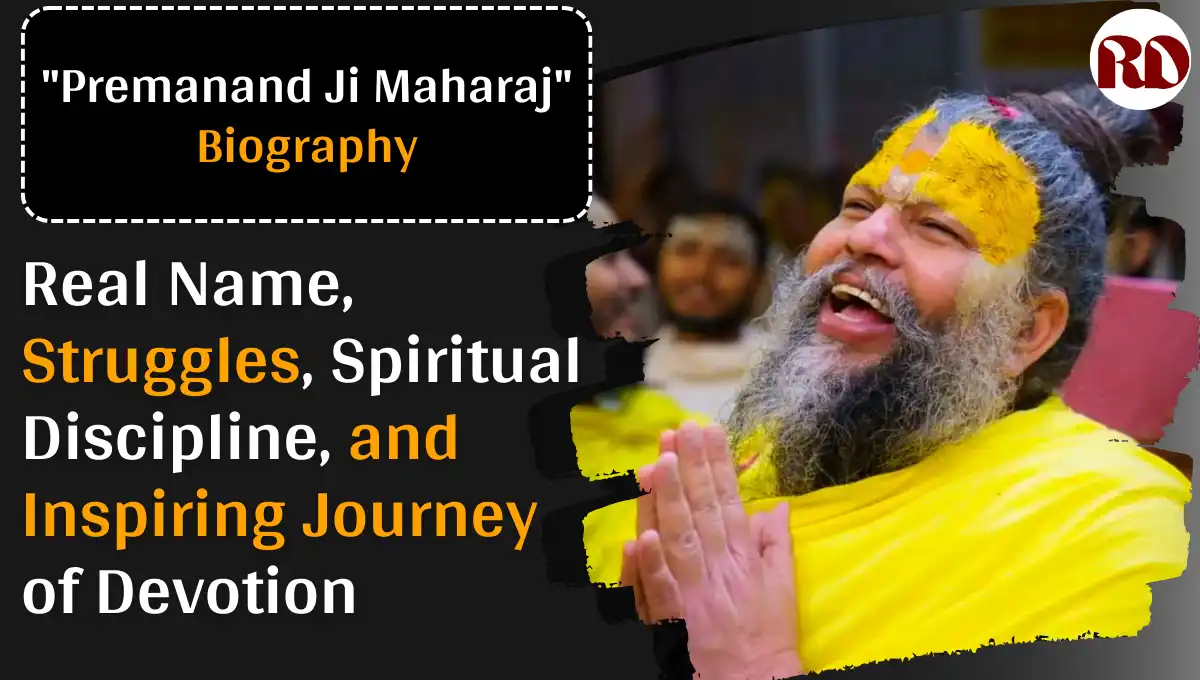
Premanand Ji Maharaj Biography: In a time when spiritual leadership is often measured by visibility and spectacle, Premanand Ji Maharaj represents something far rarer. His influence has grown not through publicity campaigns or controversy, but through discipline, personal sacrifice, and an unwavering commitment to devotional life. Rooted deeply in the Radha Vallabh tradition of Vaishnavism, his journey from a modest village near Kanpur to becoming a widely respected spiritual teacher in Vrindavan reflects a life shaped by renunciation, faith, and sustained inner practice.
This detailed Premanand Ji Maharaj Biography examines his early life, real name, spiritual struggle, health challenges, teachings, and the reasons his message resonates with millions of devotees today.
Early Life and Family Background
Premanand Ji Maharaj was born as Aniruddh Kumar Pandey on March 30, 1969, in Sarsaul, a rural area near Kanpur in Uttar Pradesh. He was raised in a traditional Brahmin household where religious discipline and scriptural study were part of everyday life. His father, Shambhunath Pandey, and his mother, Rama Devi, followed orthodox devotional practices, and family elders regularly hosted saints and pilgrims.
According to biographical accounts published by BiographyKind and JanBhakti, his grandfather had embraced a renunciant lifestyle, which left a lasting impression on the young Aniruddh. From childhood, he showed a strong inclination toward spiritual texts, particularly the Bhagavad Gita and Puranic literature, often preferring quiet study over ordinary childhood distractions.
A Life Changing Decision at 13
At just 13 years old, Aniruddh Kumar Pandey made a decision that permanently altered the course of his life. He chose to leave his home and renounce worldly comforts in pursuit of spiritual realization. With the reluctant consent of his parents, he entered the life of a brahmachari, committing himself to celibacy, discipline, and study.
He traveled to Varanasi, one of Hinduism’s holiest cities, where he spent several years immersed in spiritual austerities along the banks of the Ganga. During this period, he adopted the name Aryan Brahmachari, marking his formal separation from his previous identity. His routine involved prolonged meditation, scriptural study, silence, and repeated immersion in the river as part of traditional ascetic discipline.
Multiple biographical profiles note that these years were physically demanding and mentally intense, laying the foundation for the resilience that would later define his life.
Turning Toward Bhakti and the Call of Vrindavan
While his early spiritual training focused on renunciation and self control, a defining shift occurred when Aniruddh encountered devotional narratives centered on Radha and Krishna. A reported experience of witnessing Rasleela performances deeply affected him and redirected his spiritual focus from solitary asceticism toward bhakti, the path of loving devotion.
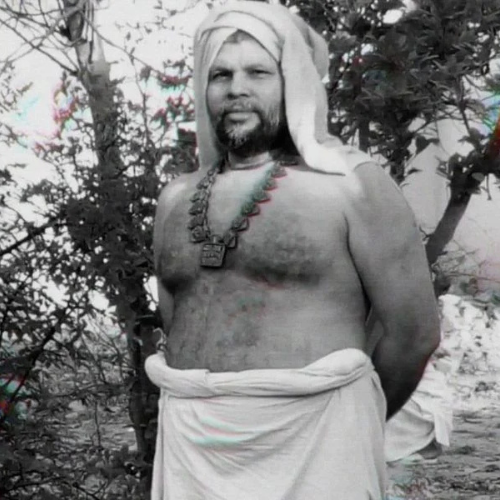
This transition eventually led him to Vrindavan, the sacred town associated with Lord Krishna’s life and teachings. There, he came under the guidance of Shri Hit Gaurangi Sharan Ji Maharaj, a respected spiritual leader of the Radha Vallabh Sampradaya.
Under his guru’s instruction, Aniruddh formally accepted sannyasa, the highest order of renunciation, and received the name Premanand Ji Maharaj, meaning one who finds joy in divine love. This period marked the consolidation of his spiritual philosophy and devotional identity.
Spiritual Discipline and Daily Life in Vrindavan
Life in Vrindavan demanded more than philosophical understanding. Premanand Ji Maharaj lived a life of extreme simplicity, strict celibacy, and rigorous self discipline. His daily routine included early morning meditation, extended chanting of the divine name, and hours of scriptural contemplation.
He was initiated into a personal mantra practice known as Nij Mantra, which forms a core element of his teaching even today. According to accounts from his ashram, he avoided personal comfort, lived with minimal possessions, and followed a regulated diet aligned with traditional Vaishnav discipline.
These years were not publicly visible but proved critical in shaping the calm, grounded presence that devotees later came to recognize.
Teachings Rooted in Simplicity and Inner Transformation
Premanand Ji Maharaj’s teachings are firmly anchored in bhakti yoga, emphasizing sincere devotion over ritual complexity. He consistently teaches that chanting the divine name, known as naam jap, is the most accessible and transformative spiritual practice for people living modern lives.
Drawing from the Bhagavad Gita and Shrimad Bhagavatam, his discourses focus on humility, emotional discipline, compassion, and self surrender. Unlike elaborate philosophical debate, his explanations are practical and conversational, often using everyday examples that resonate with listeners from varied backgrounds.
Key themes in his teachings include inner purity, service to others, restraint of ego, and viewing life’s difficulties as tools for spiritual growth rather than obstacles.
Establishment of Shri Hit Radha Keli Kunj Trust
In 2016, Premanand Ji Maharaj formalized his service oriented mission by founding the Shri Hit Radha Keli Kunj Trust in Vrindavan. The trust operates as a spiritual and humanitarian organization dedicated to supporting pilgrims, saints, and residents in need.
Activities include free food distribution, shelter support, clothing assistance, and medical aid for visiting devotees. The ashram has since become a spiritual center attracting visitors from across India and overseas.
The trust’s work reflects his belief that devotion must be accompanied by compassionate action.
Health Challenges and Spiritual Endurance
Despite his disciplined lifestyle, Premanand Ji Maharaj has faced serious health issues. Verified biographical sources report that he lives with polycystic kidney disease and undergoes regular dialysis. These treatments have placed physical limits on his daily activities.
Yet, according to those close to him, he continues his spiritual responsibilities with remarkable consistency. Devotees often cite his endurance through illness as a living example of his teachings on acceptance and inner strength.
His openness about physical suffering has also helped humanize him in the eyes of followers, reinforcing the idea that spiritual life does not exempt one from hardship but offers a framework to endure it.
Growing Public Presence and Digital Reach
In recent years, Premanand Ji Maharaj’s influence has expanded significantly through digital platforms, particularly under the initiative known as Bhajan Marg. Recorded satsangs, devotional talks, and short teachings are widely shared online, reaching younger audiences and international devotees.
His ashram has also drawn visits from public figures, including Indian cricketer Virat Kohli and actor Anushka Sharma, whose visit received national media coverage. Such attention has increased public curiosity about his life, though he has remained personally removed from publicity.
Darshan and Life at the Ashram
The Shri Hit Radha Keli Kunj Ashram, located on Vrindavan Parikrama Marg, is open to devotees seeking darshan and spiritual guidance. Entry follows an organized token system, and daily schedules include early morning satsang, bhajan sessions, and scriptural recitation.
The atmosphere is intentionally quiet and structured, reflecting Premanand Ji Maharaj’s belief that spiritual clarity requires order and restraint rather than spectacle.
Legacy and Continuing Influence
Premanand Ji Maharaj’s life story is not defined by dramatic miracles or public declarations. Instead, it reflects decades of steady spiritual effort, personal sacrifice, and devotion grounded in tradition. His journey from Aniruddh Kumar Pandey of Sarsaul to a respected saint of Vrindavan illustrates how discipline and humility can quietly shape a lasting legacy.
As interest in spiritual well being grows globally, his teachings continue to attract those seeking meaning beyond material success. His biography stands as a reminder that spiritual influence is often built slowly, through consistency rather than charisma.
For many followers, Premanand Ji Maharaj represents not a distant saint, but a living example of how devotion, service, and endurance can coexist in one human life.














1 thought on “Premanand Ji Maharaj Biography: Real Name, Struggles, Spiritual Discipline, and Inspiring Journey of Devotion”